At the TD Cowen conference on May 27, Strauss Zelnick reframed the 13-year gap between GTA V and VI as not a failure but a deliberate strategy. "Take-Two refuses to annualize franchises to protect quality," he said, effectively calling out annualized franchises that Take-Two also owns — notably NBA 2K.
The data supports his argument. Annualized franchises like Call of Duty maintain sales volume but erode critical reception and cultural impact. Call of Duty Metacritic scores trend down over time. Assassin's Creed improved specifically by slowing down. EA FC makes its money from Ultimate Team, not base game quality. Compare that to GTA: every launch is a once-in-a-generation event because there is literally a generation between entries.
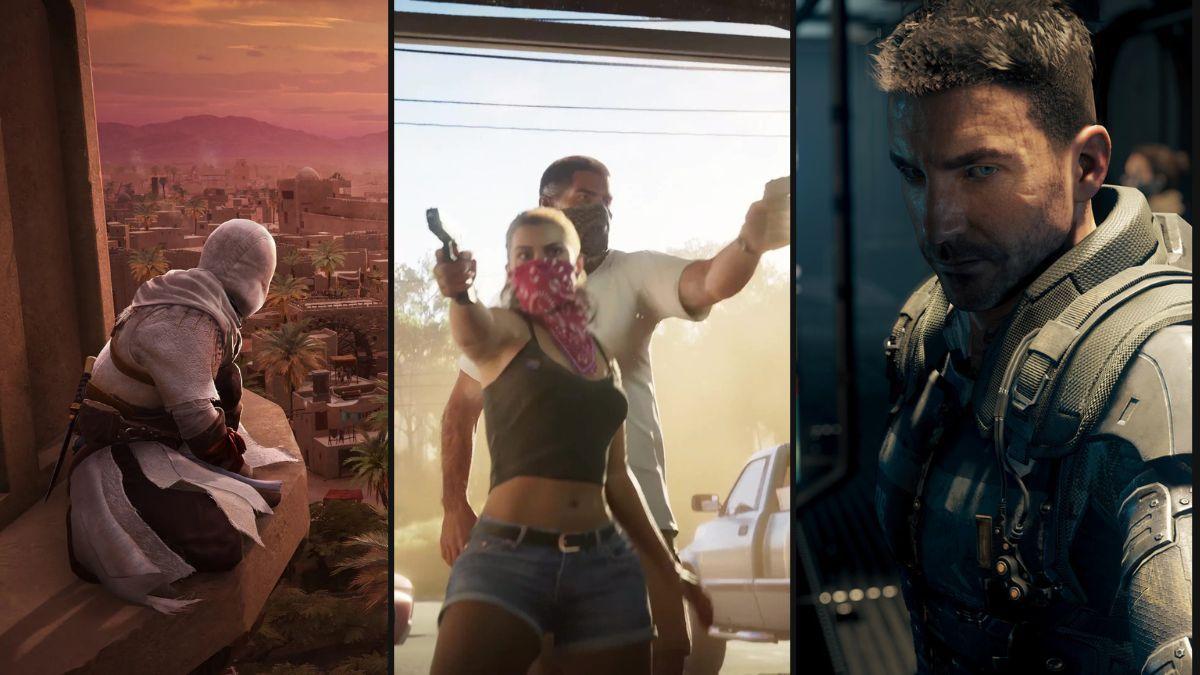
"When a product arrives once every decade, every arrival is an event. When it arrives every year, it's a Tuesday."
Rockstar spent its 13-year "gap" productively: shipping GTA V (97 Metacritic, 225M copies), Red Dead Redemption 2 (97 Metacritic, 85M+), maintaining GTA Online at ~$500M/year for 13 years, rebuilding the RAGE engine, acquiring Cfx.re, and developing GTA 6 from concept to ship. You could argue it was one of the most financially productive 13-year runs in gaming history.
The implication for GTA 6 is clear: this is the only new mainline GTA this decade. The game launching November 19 is the one you get for the next 7-10 years. One perfect game is worth more than three good ones.